Wine is Wealth
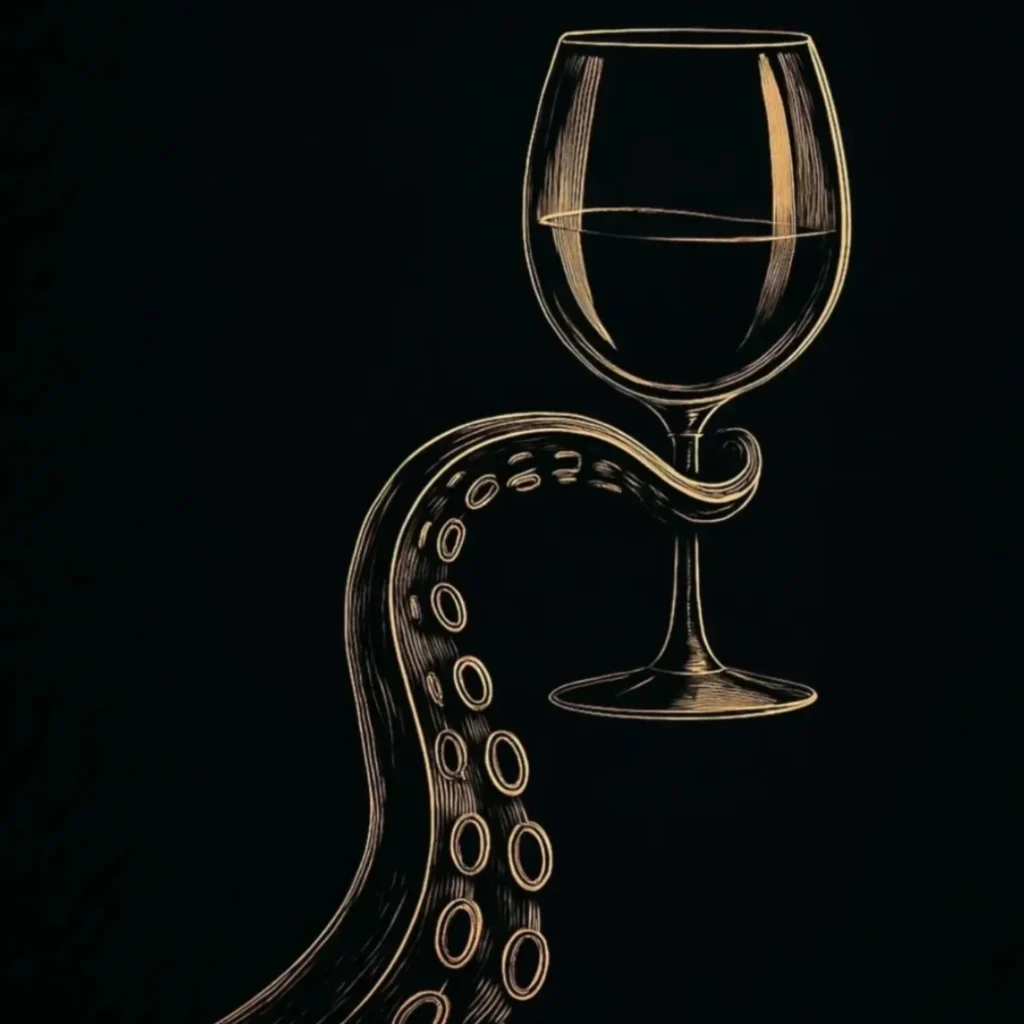
Wine is wealth.
When you drink and share it, it enriches your spirit and beyond. Yet today, countless future wine enthusiasts have nowhere to turn to learn what to buy, how to taste, and how to truly enjoy the experience. As more people step into the world of wine, understanding every aspect of the wine business from vineyard to glass becomes not just valuable, but essential.
Join Thomas Karvounis Adventures as we explore the finest vineyards, uncover the stories behind every bottle and share the secrets of turning our passion into a way of life.
This is more than a tasting.It’s an adventure in culture, connection and discovery. Embark on the adventure. Discover the wealth of wine with Thomas Karvounis.
Wine as Wealth: An Odyssey of Enrichment, Discovery and Timeless Value
In the grand tapestry of human endeavor, wine emerges not merely as a beverage, but as a profound emblem of wealth, transcending material bounds to encompass spiritual, intellectual, and communal prosperity. When one partakes in wine, sharing it amidst convivial gatherings, it bestows an enrichment upon the spirit that reverberates far beyond the ephemeral moment of indulgence. Yet, in our contemporary era, myriad aspiring connoisseurs find themselves adrift, bereft of guidance on discerning selections, mastering the art of tasting, and fully immersing in the symphony of flavors and narratives each bottle holds. As the allure of wine beckons an ever-growing cadre of enthusiasts, a comprehensive grasp of its journey from the sun-kissed vineyard to the crystalline glass, evolves from mere desirability into an indispensable pursuit. This is no ordinary tasting; it is an expedition into the realms of culture, human connection, and profound discovery. Let us, then, embark upon this adventure, exploring the philosophical depths, biological intricacies, health virtues, and the enriching bounty of vineyard voyages that render wine an unparalleled form of wealth.
The Philosophy of Wine: A Vessel for Eternal Wisdom and Human Flourishing
At its essence, wine embodies a philosophical paradigm, intertwining the corporeal with the metaphysical, the transient with the eternal. Philosophers across millennia have contemplated wine not as a simple intoxicant, but as a conduit for deeper truths about existence, pleasure, and the human condition. In ancient Greece, Plato’s *Symposium* unfolds as a dialogue fueled by wine, where participants ponder eros and the divine, suggesting that moderate imbibing fosters intellectual communion and ecstatic union with higher realms. In ancient Greece, wine was far more than a beverage, it was a sacred gift from the gods, integral to religious worship, social bonding, & daily life. Closely tied to Dionysus was the god of wine & fertility, wine symbolized joy, regeneration, and the cycle of life and death.Dionysus, the god of wine, represented regeneration, fertility, and religious ecstasy, a theme echoed in Roman convivia, where wine dissolved social barriers and stimulated inventive discourse.
This sacred function persists in modern philosophy. Roger Scruton, in his meditations on wine, posits it as a symbol of inward transformation, entering the soul to reveal authenticity and communal bonds. Wine, he argues, offers a glimpse of the world *sub specie aeternitatis* under the aspect of eternity where value shines irrespective of possession, promoting virtues like tolerance and appreciation for life’s ephemera. Epicurus, too, extolled wine’s perils and perils, warning of excess while celebrating its role in measured pleasure, aligning with a hedonistic yet disciplined pursuit of happiness.
Contemporary thinkers like Cain Todd in *The Philosophy of Wine: A Case of Truth, Beauty, and Intoxication* defend the objectivity of wine judgments, demystifying expertise while affirming wine’s aesthetic value as akin to art. It sharpens senses, deepens knowledge across disciplines, geography, history, psychology and fosters a homecoming to the world, as Neel Burton articulates in his short philosophy of wine. Wine’s vagueness as an object demands commitment to uncover its aesthetic properties, inviting reflection on what constitutes a good life: the balance of pleasure, commitment, and aesthetic pursuit.
Béla Hamvas, in his poetic treatise, views wine as inhabited by unique daemons, each bottle a spiritual oil that counters materialism’s impoverishment, leading toward divine sobriety. This fusion of the spiritual and physical underscores wine’s wealth: not hoarded gold, but compounded experiences that elevate existence. In a fragmented world, wine reunites us with tradition, nature, and one another, embodying Aristotle’s eudaimonia—flourishing through virtuous activity. Thus, wine’s philosophical wealth lies in its capacity to transform consumption into contemplation, solitude into solidarity, and mere survival into sublime living.
How Wine Tasting Knowledge Enriches Your Life
Wine tasting is more than a hobby it’s a form of wealth that expands your world culturally, socially, financially, and professionally. When you truly understand wine, the benefits compound over time.
Greece stands at the foundation of wine culture. With over 4,000 years of winemaking history, wine was central to ancient Greek trade, philosophy, medicine, and daily life. Today, Greece remains one of the most exciting wine countries because of its indigenous grape varieties, many found nowhere else in the world. Assyrtiko offers crisp minerality from Santorini. Xinomavro delivers structure and aging potential. Agiorgitiko is rich and fruit-forward. Moschofilero is aromatic and floral. Malagousia, once nearly extinct, is now prized for its expressive peach and citrus notes. Limniona is an elegant, refined red gaining international recognition. Roditis is fresh, versatile, and widely planted across the country. Tasting Greek wines is an encounter with living history.
Beyond heritage, wine knowledge builds cultural and intellectual wealth. Understanding terroir, climate, and tradition deepens your appreciation of geography and craftsmanship. Travel becomes more meaningful when you visit vineyards, and conversations become more engaging when you can connect wine to history and place. Wine also creates social and networking wealth. Tastings and wine events connect you with professionals and influential circles. Sharing informed insights at dinners elevates your presence and strengthens relationships. A well-chosen bottle can open doors.
Professionally, wine knowledge enhances careers in hospitality, tourism, food, and luxury industries. Certifications such as WSET increase credibility and earning potential. Even outside the wine world, understanding wine signals sophistication and confidence in social and business settings.Financially, expertise helps you make smarter purchases. You learn to recognize value, avoid overpriced bottles, and identify wines with aging potential.For some, this knowledge evolves into collecting, consulting, or hosting tastings.
The Biology of Wine: Nature’s Alchemical Symphony
Delving into wine’s biological underpinnings reveals a marvel of natural processes, where science and artistry converge to create liquid poetry. Wine production commences in the vineyard, with *Vitis vinifera* grapes cultivated since 6000 BC in Asia Minor, their quality shaped by terroir-soil, climate, and viticultural practices. Harvest timing optimizes sugar and acid levels, initiating a biochemical cascade.
Fermentation, the heart of winemaking, is a metabolic feat orchestrated by yeasts, primarily *Saccharomyces cerevisiae*. These microorganisms convert grape sugars into ethanol and carbon dioxide via glycolysis, a process Pasteur elucidated in the 19th century. Wild yeasts on grape skins commence spontaneous fermentation, but many winemakers inoculate with cultured strains for control, influencing flavor through enzymatic activity. Each strain liberates aroma compounds, esters, thiols, terpenes from sugar-bound precursors, yielding notes of fruit, spice, and earth.
Lactic acid bacteria, such as *Oenococcus oeni*, follow in malolactic fermentation, softening harsh malic acid into lactic acid, enhancing texture and stability. Enzymes from yeasts and bacteria interact in a microbial symphony, producing flavor by-products of unknown composition. Advances in biotechnology, including yeast selection and temperature control, refine this: red wines ferment with skins for tannins and color, whites without for crispness.
Post-fermentation, clarification and aging in oak or steel develop complexity, with oxygen micro-dosing polymerizing phenols for smoothness. This biological wealth—rooted in evolution’s ingenuity—transforms humble grapes into elixirs, mirroring life’s own ferment: adaptation, transformation, and emergent beauty. Understanding this elevates appreciation, turning each sip into a tribute to nature’s precision.
The Health Virtues of Wine: Elixir of Moderation and Vitality
Wine’s wealth extends to corporeal well-being, where moderate consumption—defined as one to two glasses daily—confers benefits rooted in its polyphenolic bounty. Epidemiological evidence, including the “French Paradox,” highlights how wine mitigates chronic diseases within a Mediterranean diet framework. Polyphenols like resveratrol and flavonoids act as antioxidants, reducing oxidative stress and inflammation.
Cardiovascular health stands foremost: moderate wine intake raises HDL (“good”) cholesterol, prevents blood clots, and protects arterial linings, lowering ischemic heart disease risk by 18-23%. A 2024 study using reliable measures found a 50% reduction in events among high-risk individuals. Resveratrol may lower blood pressure and LDL cholesterol, though results vary.
Beyond the heart, wine promotes longevity, reducing all-cause mortality by 16-23% compared to abstention. It bolsters immunity, fighting infections, and may decrease risks of type 2 diabetes, stroke, and certain cancers like colon and prostate. Cognitive benefits include reduced Alzheimer’s risk via improved cerebral blood flow. Gut microbiome diversity enhances from polyphenols, aiding digestion.Yet, moderation is paramount; excess negates benefits, increasing hypertension and cancer risks. Wine’s health wealth lies in balance, echoing philosophical temperance: a mindful elixir fostering vitality when savored judiciously.
The Wealth of Vineyard Voyages: Journeys of Enrichment and Connection
The pinnacle of wine’s wealth manifests in travel to vineyards, where wine tourism weaves economic, cultural, and personal tapestries. This burgeoning pursuit diversifies regional economies, generating jobs and revitalizing communities.witness Napa Valley’s $323 billion U.S. wine industry impact in 2025. Tourists’ spending bolsters local businesses, from hospitality to artisanal crafts, fostering autonomy and sustainability.
Personally, vineyard visits immerse one in terroir’s narrative: strolling sun-dappled rows, harvesting grapes, or touring cellars unveils winemaking’s artistry. Interactions with passionate vintners forge connections, enhancing knowledge and palate through tastings and pairings. Experiences like hands-on blending or food-wine harmonies deepen appreciation, turning novices into aficionados.
Culturally, wine tourism preserves heritage, blending history with gastronomy in regions like Tuscany or Bordeaux. It promotes environmental stewardship, as sustainable practices organic farming, biodiversity, align with eco-conscious travel. Socially, it builds bonds: group tours relax and de-stress, sparking conversations amid scenic beauty. For wineries, it boosts brand loyalty, direct sales, and innovation.
Economically, wine appreciates as an asset: scarcity drives value, with fine wines yielding 10-15% annual returns, outpacing some indices. Time elasticity, paying premiums for matured bottles, underscores investment appeal. Yet, the true wealth is experiential: forging memories, supporting communities, and connecting with earth’s bounty.
In summation, wine’s wealth is multifaceted, a philosophical beacon, biological wonder, health guardian, and travel treasure. As barriers to entry dissolve, let this knowledge propel you from passive consumer to enlightened explorer. Embark on the adventure; uncork not just bottles, but boundless horizons.